


What to Know About Allergies to Orthodontic Materials: Latex, Nickel, and More
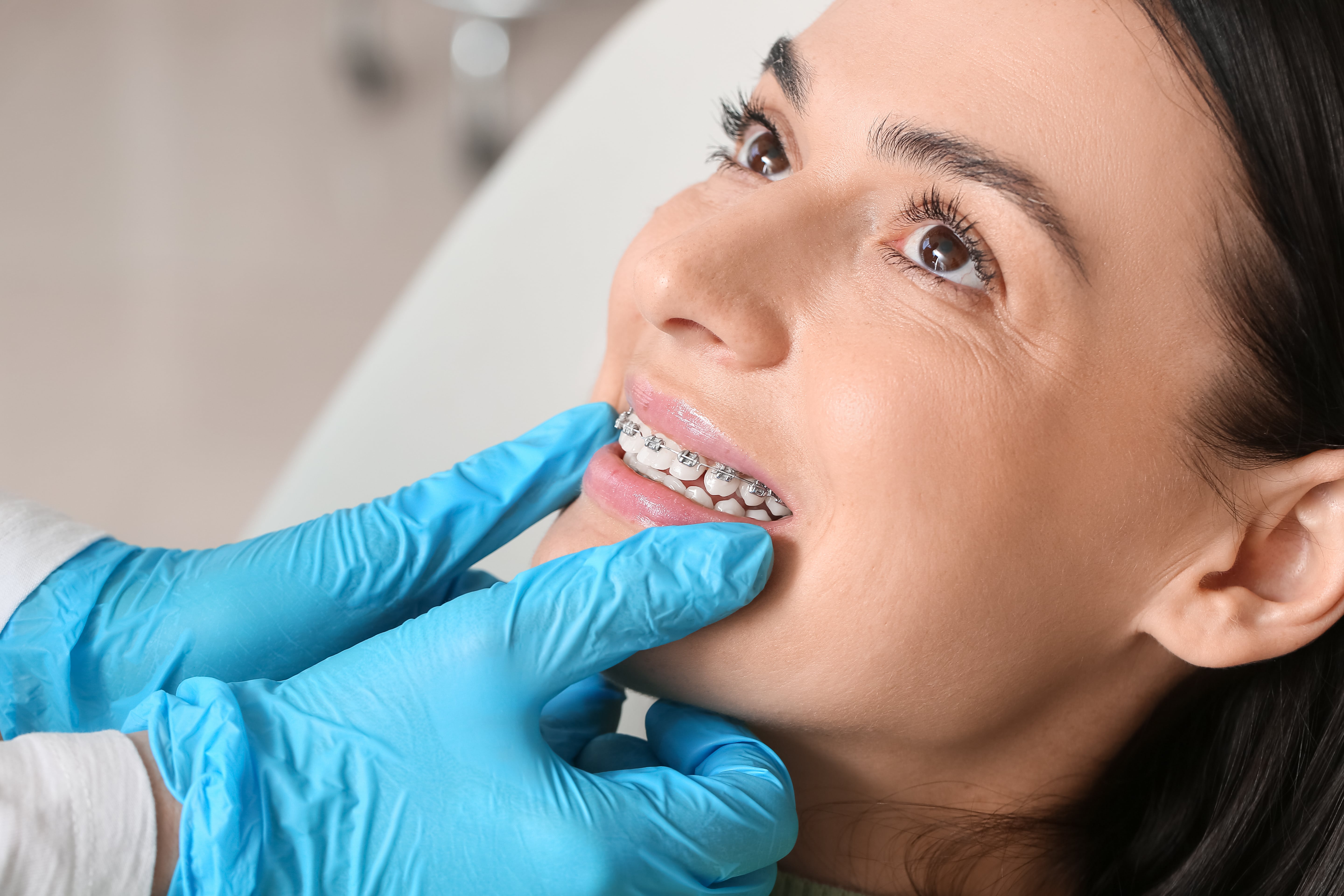
If you’re getting ready to start orthodontic treatment—or you’re a parent doing some research for your kid—you’ve probably spent most of your energy thinking about the visible stuff: the brackets, the aligners, the colors, the timeline. But one thing people rarely think about until it becomes an issue is whether they might actually be sensitive to some of the materials used in orthodontics.
Yep, allergies to things like latex or nickel can happen. They aren’t super common, but they’re real, and it’s definitely better to understand them ahead of time so you know what to look out for.
This guide breaks things down in a simple, chill way—no complicated medical jargon—just what you need to know before you commit to braces or Invisalign.
Latex Allergies: Why They Matter in Orthodontics
Latex allergies are usually the first thing that comes to mind when people think about material sensitivities in dental or medical environments. Even though most orthodontic offices have switched to latex-free options for safety, it’s still important information to bring up during your consultation.
Latex can show up in things like elastics, gloves, and certain dental products. If someone has a latex allergy, reactions can range from mild skin irritation to more serious symptoms like swelling or difficulty breathing. The good news is that modern orthodontics is extremely flexible about this. Most offices already stock latex-free elastics and materials, and if you let the team know ahead of time, they’ll make sure your treatment uses alternatives from day one.
So the big takeaway is this: if you or your child has any history of latex sensitivity, even mild, always mention it before treatment starts. It’s one of those small details that makes everything smoother and safer.
Nickel Allergies: More Common Than You Think
Nickel sensitivity is actually more common than latex allergies, especially in women and teens who have reacted to certain jewelry. If you’ve ever worn earrings or a cheap necklace and ended up with an itchy rash, that might have been a nickel reaction.
Many orthodontic wires and some types of brackets contain metal alloys that include nickel. Luckily, most of the time the amount of nickel exposure from braces is really small—way less than what you’d get from everyday objects like zippers or phones. Still, if someone is extremely sensitive, it can cause irritation along the gums or inside of the cheeks.
Orthodontists do have nickel-free or low-nickel options available, like titanium wires or ceramic brackets. They cost a little more, but they can be totally worth it for comfort and peace of mind. If you’ve ever had a nickel reaction before, definitely bring it up. That helps the orthodontist pick the right materials so you’re not uncomfortable halfway through treatment.
Other Materials You Might React To
Latex and nickel get the most attention, but they’re not the only things that can cause irritation:
Adhesives and bonding materials:
The glue that holds your brackets on has resin components that a tiny percentage of people are sensitive to. Reactions are usually mild but annoying—itchiness, small bumps, redness, or swelling around the area.
Elastomeric materials (like clear or colored bands):
Sometimes people react to the dyes or elastic materials themselves. It’s rare, but swapping to a different type of band usually solves the issue fast.
Plastic aligner materials (for Invisalign and similar brands):
Reactions to aligners are extremely rare, but they do happen once in a while. Usually it’s not the plastic itself but something like a cleaning product or whitening gel that irritates the tissues. Switching cleaning routines or using hypoallergenic trays usually fixes it without interrupting treatment.
Mouthwash or fluoride products used during treatment:
This isn’t an orthodontic material issue, but it feels like one because it happens during treatment. Sometimes the real problem is sensitivity to an ingredient in a rinse or toothpaste.
Basically, if anything feels off, it’s worth mentioning—even if it seems minor.
How to Know If You’re Actually Having an Allergic Reaction
It’s easy to confuse normal orthodontic discomfort with an allergy, especially in the first week of treatment when everything feels weird. But true allergic reactions tend to show very specific symptoms, like:
Red, itchy patches inside your mouth
Swelling that doesn’t feel like normal braces soreness
A burning sensation that keeps coming back
A rash around the lips or cheeks
Blister-like irritation
If you’re dealing with any of these symptoms and they don’t improve within a few days, it’s worth calling your orthodontist. Allergies don’t just magically disappear, but the fix is usually simple—swap materials, adjust the treatment setup, or switch to hypoallergenic options.
Why It’s Important to Be Honest About Your History
Some people don’t mention past allergies because they think they’re not a big deal or they assume the orthodontist already knows what they use in the office. But orthodontic materials are a little like ingredients in food—you never want someone guessing.
Sharing even small details helps your orthodontic team personalize your treatment so you aren’t dealing with unnecessary discomfort later. It also gives them a chance to plan your appointment schedule, gather the right supplies, and make sure everything is set for day one.
This is especially important for kids and teens, since they may not remember or even realize they’ve had a reaction before.
Allergic Reactions Are Usually Easy to Manage
One of the nicest things about orthodontics today is how customizable it is. Whether you’re sensitive to metals, adhesives, dyes, or latex, there’s almost always an alternative available. Most adjustments can be made without delaying your treatment or changing your overall plan.
The real key is communication. The earlier you say something, the easier it is for the orthodontist to pick materials that work for your needs.
And if you’re worried you might react to something but you’re not sure? That’s okay too. It’s totally normal to ask questions or talk through options before you start.
Thinking About Braces or Invisalign? Here’s Your Next Step
If you’re looking into orthodontic treatment and want a team that actually listens to your concerns—especially when it comes to allergies—McDonald Orthodontics is an awesome place to start. They make it super easy to talk through sensitivities, preferences, and any “what if” questions you might have. If you’re searching for an orthodontist in salem and keizer Oregon, they’ve got both communities covered with two convenient locations.
Ready for a Comfortable, Personalized Treatment Experience? Contact McDonald Orthodontics Today!
Whether you’re worried about latex, nickel, adhesives, or anything else that touches your smile, the team at McDonald Orthodontics is seriously welcoming and happy to help you figure out the right material choices. Reach out to their Salem or Keizer office to schedule a consultation and get started with a treatment plan that actually fits you.
